
The Emerging Field of Interspecies Communication
An interdisciplinary frontier uniting bioacoustics, AI, cognitive science, conservation, ethics, and design to understand how non-human animals communicate, and how we might communicate with them.
Public
Interspecies Internet is building a global network and awakening for interspecies communication, ethics, and planetary kinship. We invite curious minds, storytellers, educators, and cultural catalysts to rediscover our relationship with other species and explore what is possible when we listen, learn, and act together.
A New Scientific Frontier
Today, converging advances in artificial intelligence, bioacoustics, neuroscience, and conservation biology are making it possible to more deeply explore animal behaviour. We're learning that many species possess rich signalling systems, complex social structures, and sophisticated cognitive abilities we're only beginning to comprehend.
But with these breakthroughs comes profound responsibility. How do we develop these technologies ethically? How do we ensure they serve conservation rather than exploitation? How can we represent their interests?
The field of interspecies communication sits at the intersection of hard science and deep ethics and it requires coordinated collaboration across disciplines to develop responsibly.
For millennia, humans have wondered about the inner lives of other species. What do whales sing about? How do elephants grieve? Can octopuses dream?
The Dimensions of Interspecies Communication
BioacousticsThe scientific study of sound production and reception in animals, from whale songs to elephant infrasound.
ConservationApplying communication research to protect threatened species and ecosystems.
Ethics & PhilosophyDeveloping frameworks for animal agency, consent, and rights in communication technologies.
Interface Design & TechnologyBuilding devices and systems that enable communication across species boundaries.
Anthropology & Indigenous KnowledgeLearning from traditional practices and wisdom about human-animal relationships.
Artificial Intelligence & Machine LearningUsing pattern recognition and neural networks to parse animal vocalizations and behaviour.
Behavioural EcologyStudying how communication shapes social structures, cooperation, and survival strategies.
Cognitive Science & Animal CognitionUnderstanding consciousness, intelligence, theory of mind, and information processing in non-human species.
Where We Are Now
-
Machine learning successfully identifies individual sperm whales and uncovering new structure in their “codas" (vocal patterns)
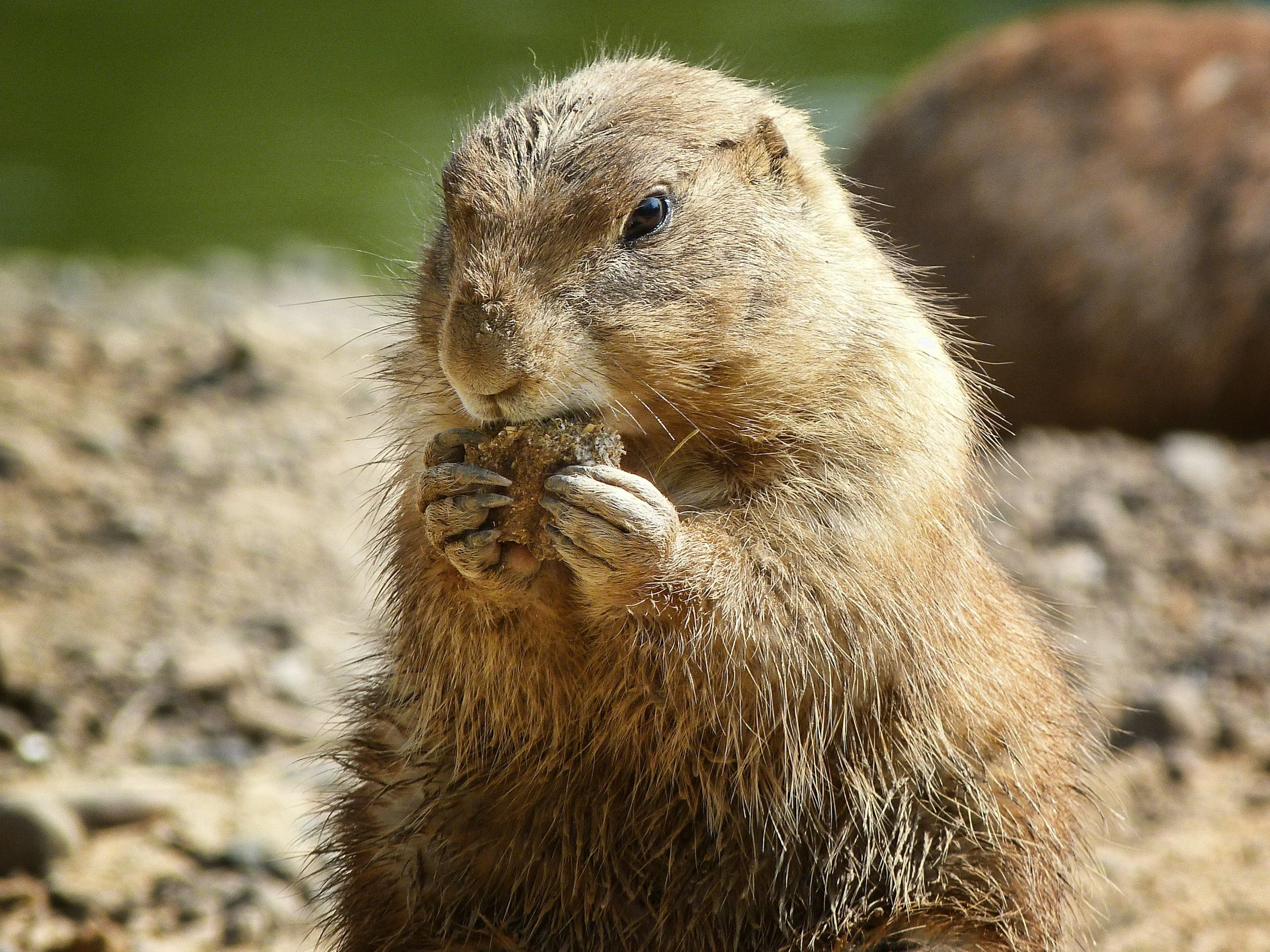
Prairie dogs demonstrated to have syntax and descriptive vocabulary
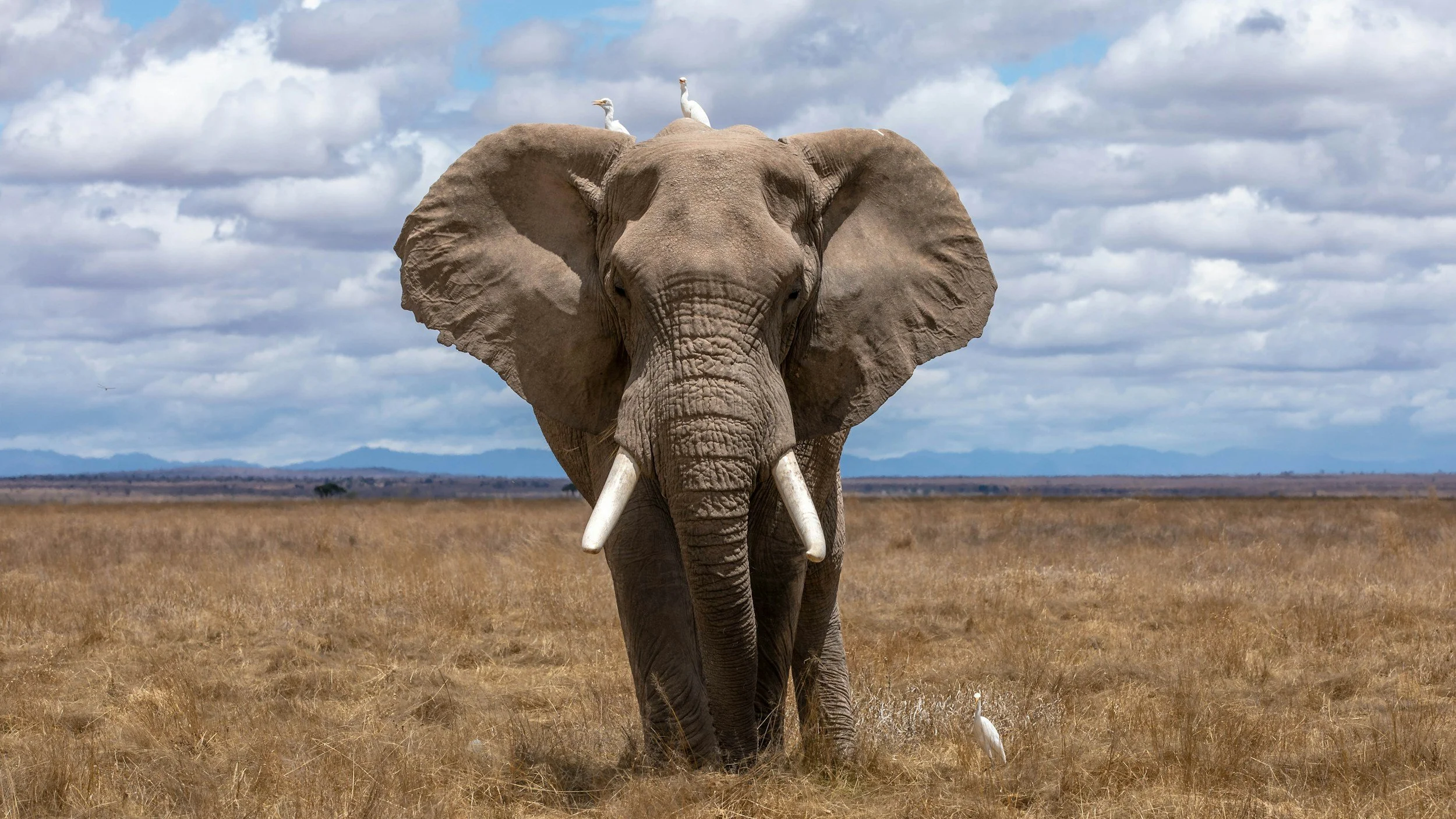
Elephants shown to use infrasonic communication over miles and seismic signals through the ground
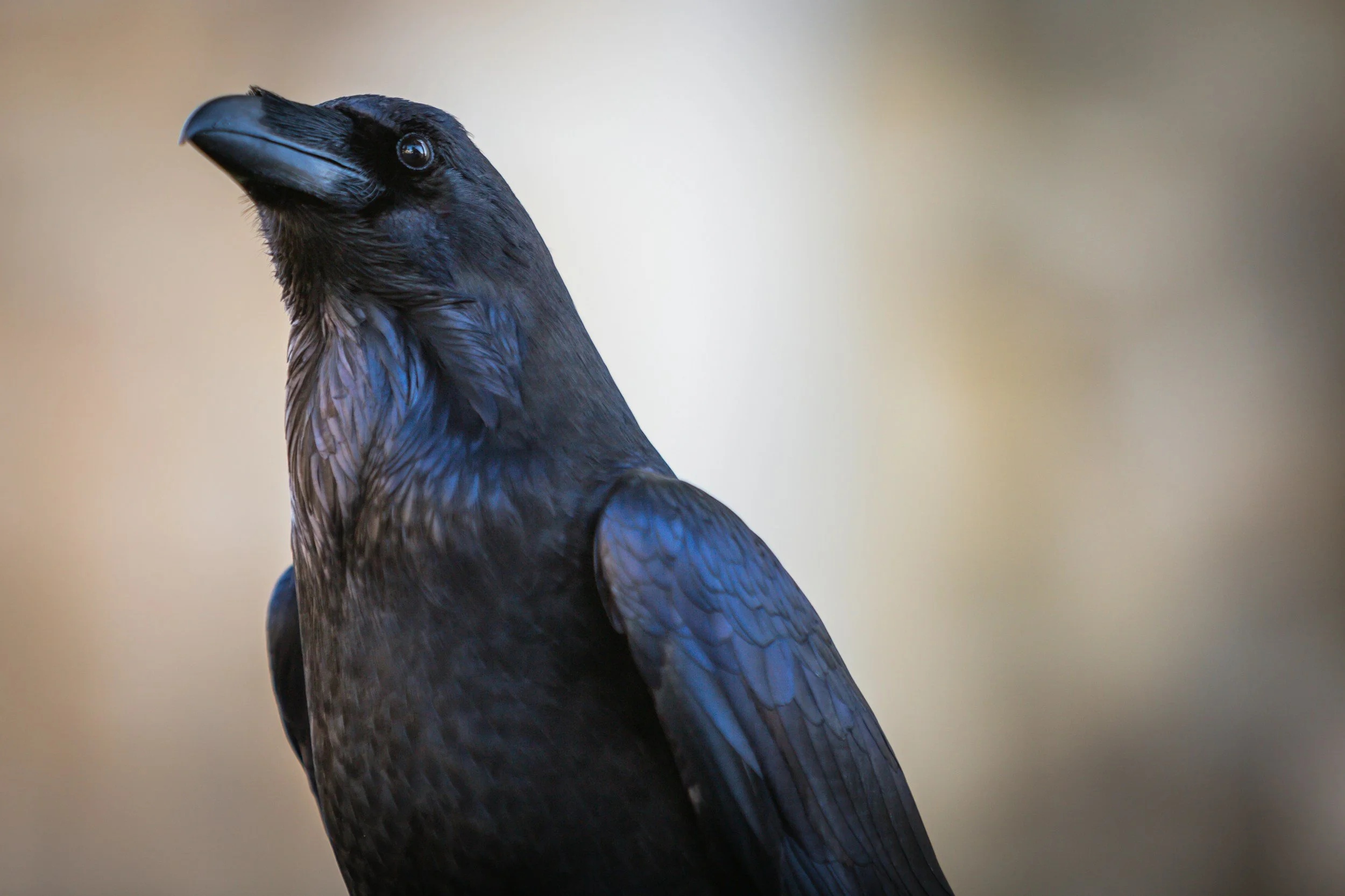
Crows observed using tools and solving multi-step problems
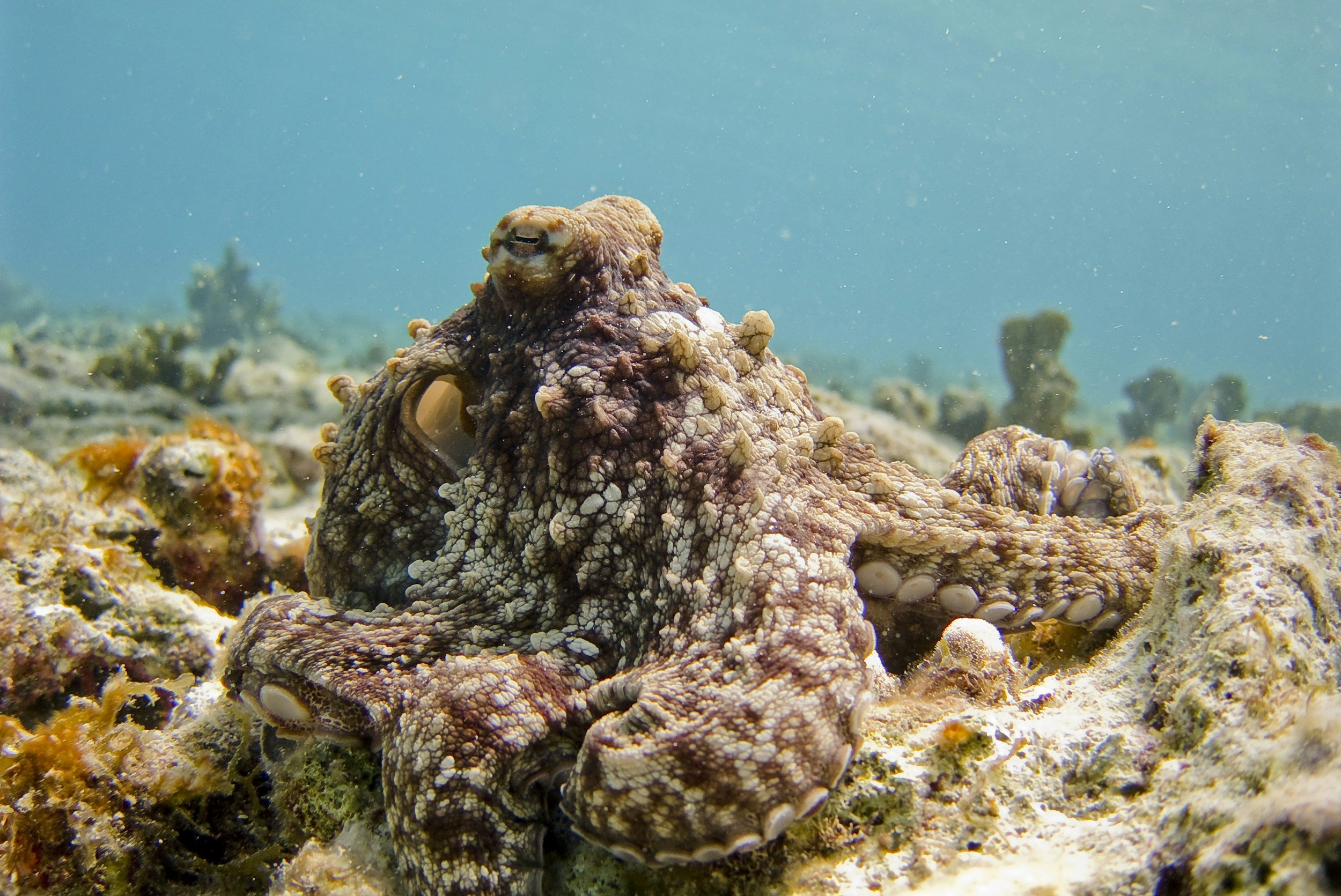
Octopuses exhibiting problem-solving, learning, and possibly dreaming
-
Lack of standardised data collection and sharing protocols
Ethical questions around “speaking for" animals or interpreting their communications
Limited cross-disciplinary collaboration and siloed research
Insufficient funding for long-term observational studies
Risk of technology being used for exploitation rather than understanding
Challenge of anthropomorphism versus recognising genuine cognitive abilities
-
AI models trained on massive datasets of animal vocalizations
Wearable devices that track and record animal communications in the wild
Real-time translation experiments with specific species
Multimodal sensing systems capturing visual, auditory, chemical, and seismic signals
Non-invasive neuroimaging revealing cognitive processes
Who Are We Learning With?
-
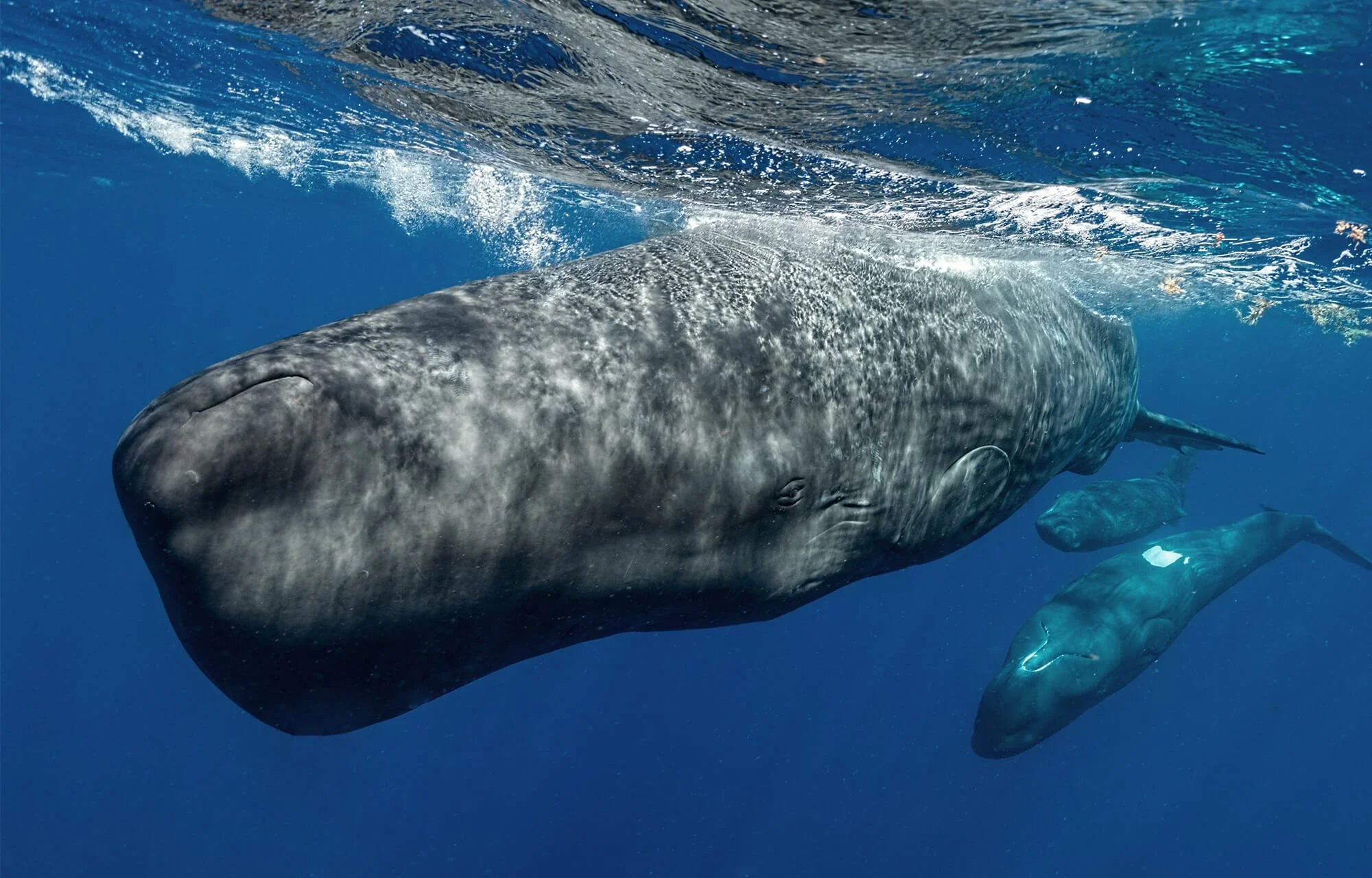
![]()
Sperm Whales
-
![Prairie Dogs]()
Prairie Dogs
-
![Common Ravens & Crows]()
Common Ravens & Crows
-
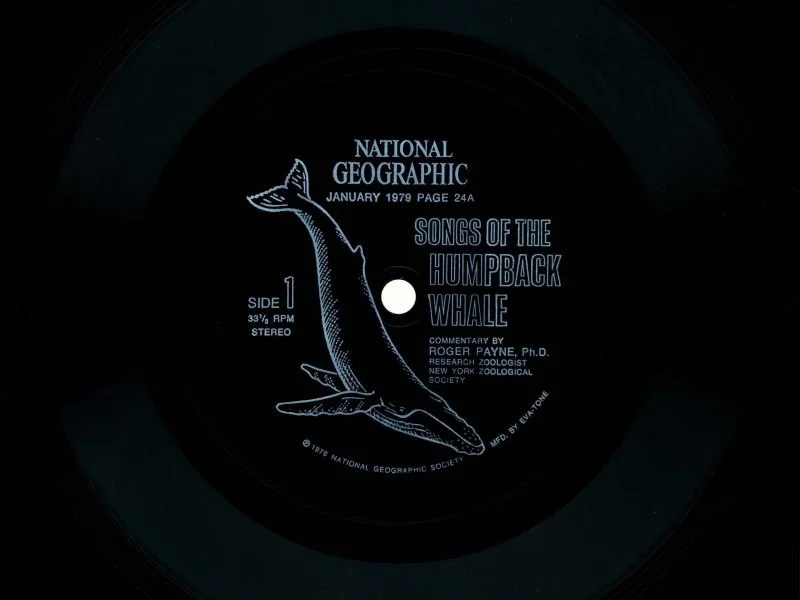
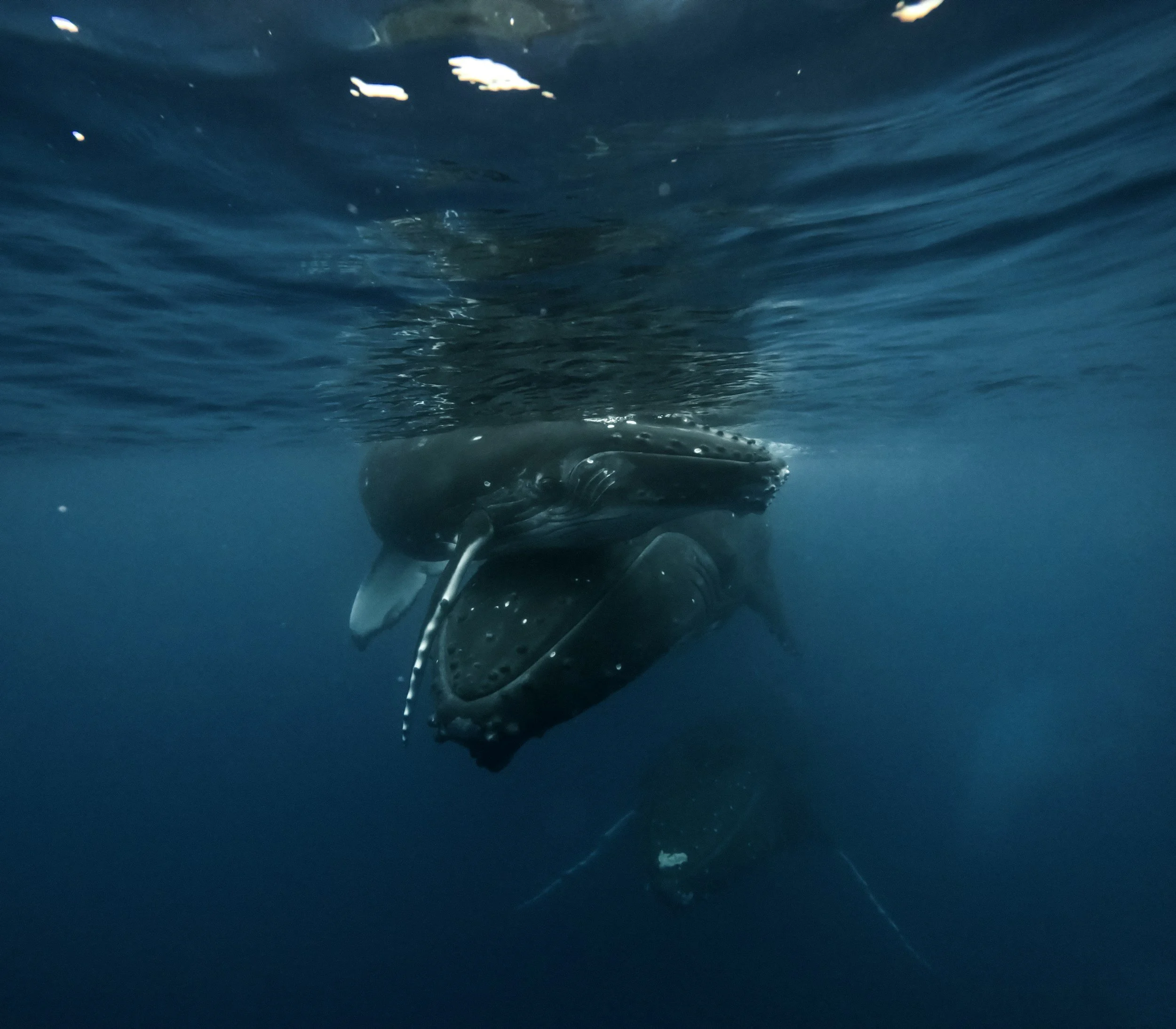
![Humpback Whales]()
Humpback Whales
-
![African Elephants]()
African Elephants
-
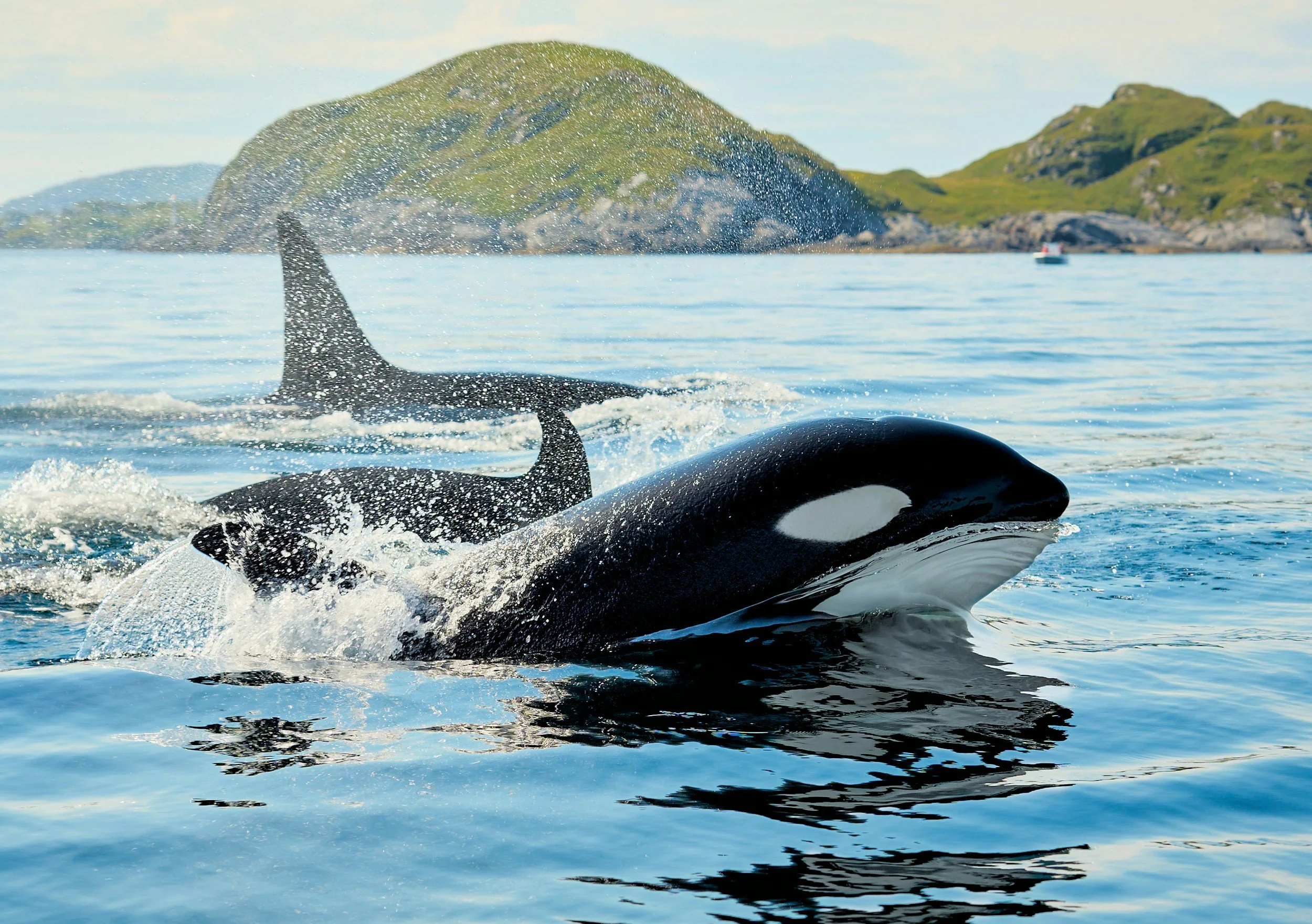
![Orcas]()
Orcas
-
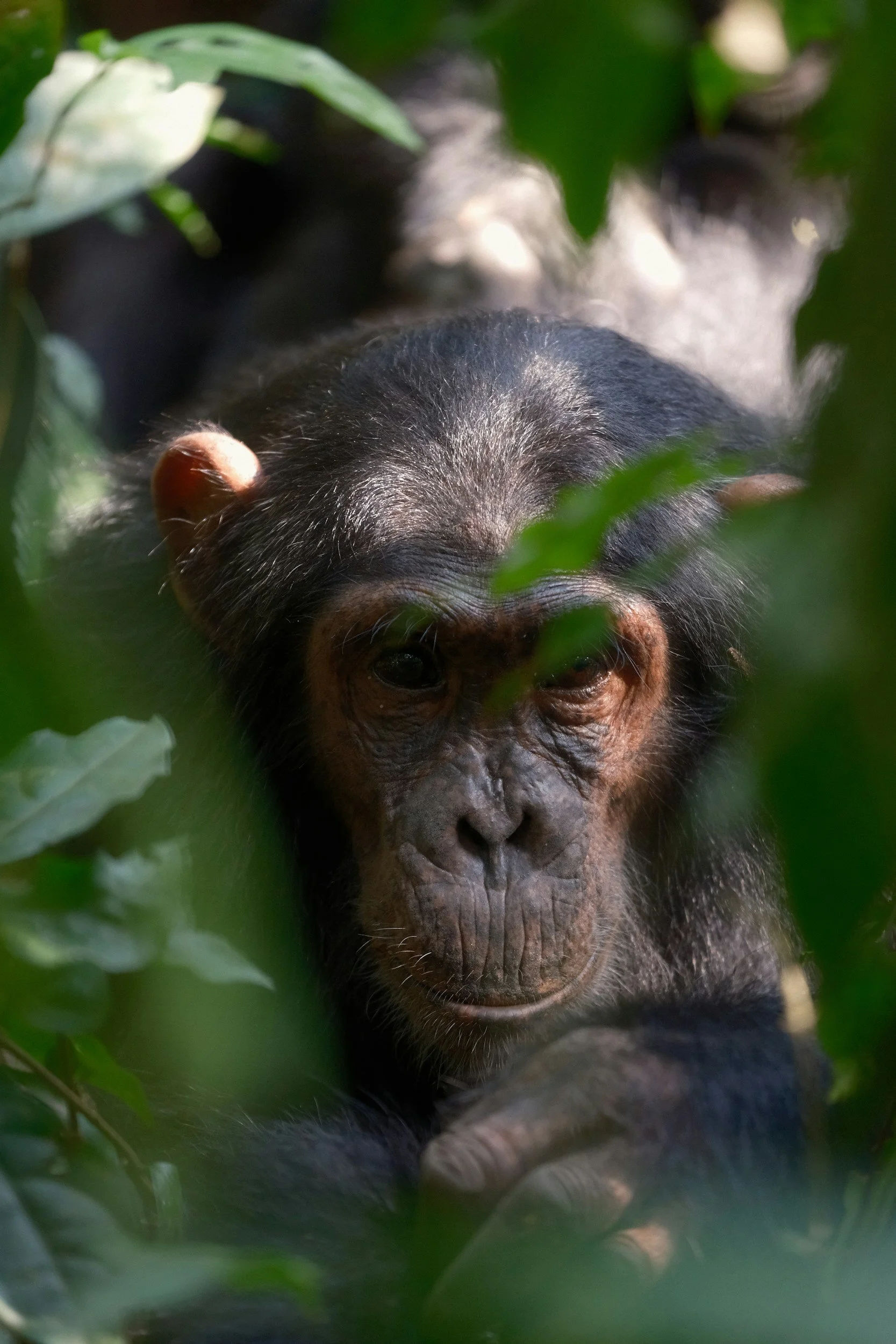
![Great Apes]()
Great Apes
-
![Octopuses]()
Octopuses
-
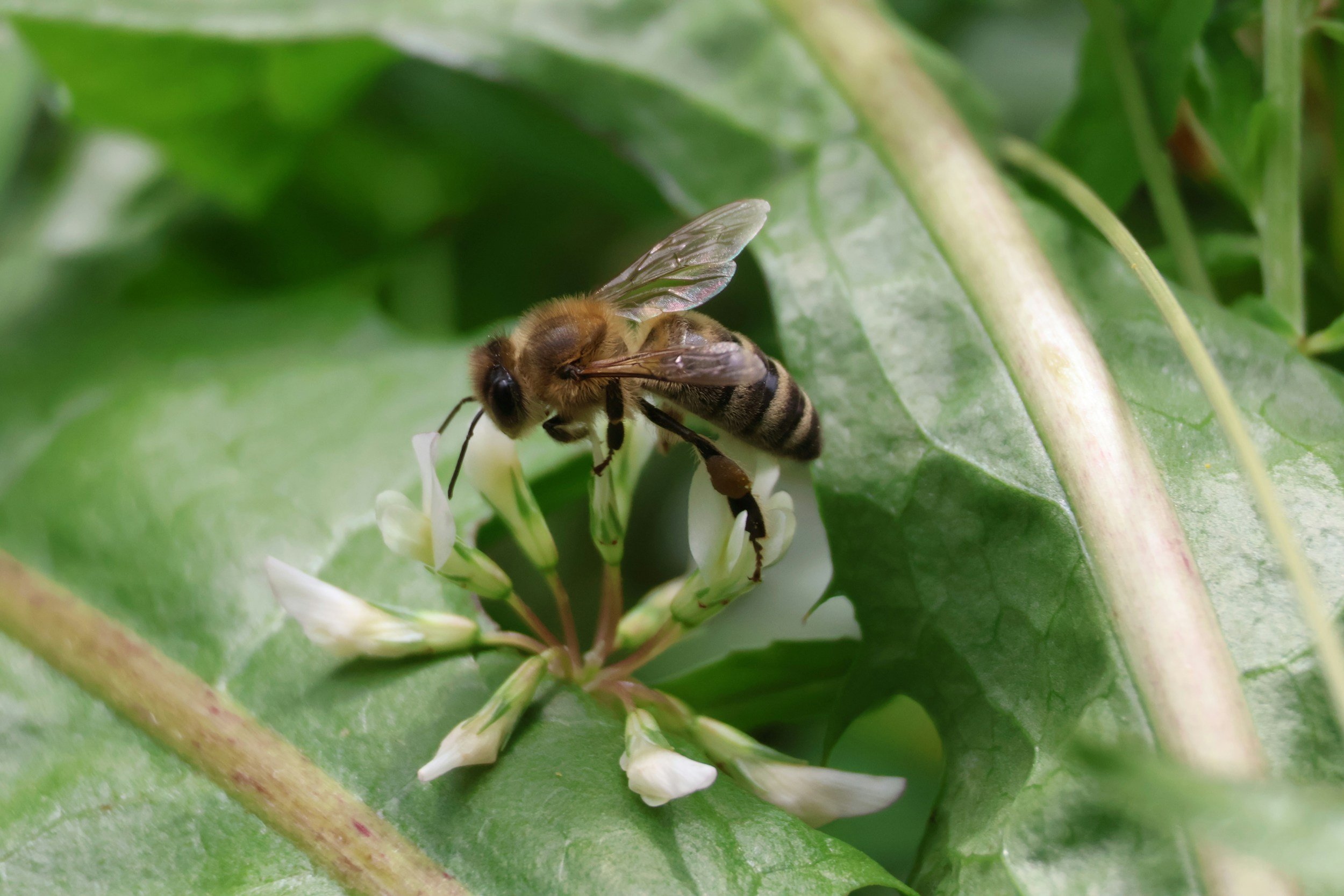
![Honeybees]()
Honeybees
-
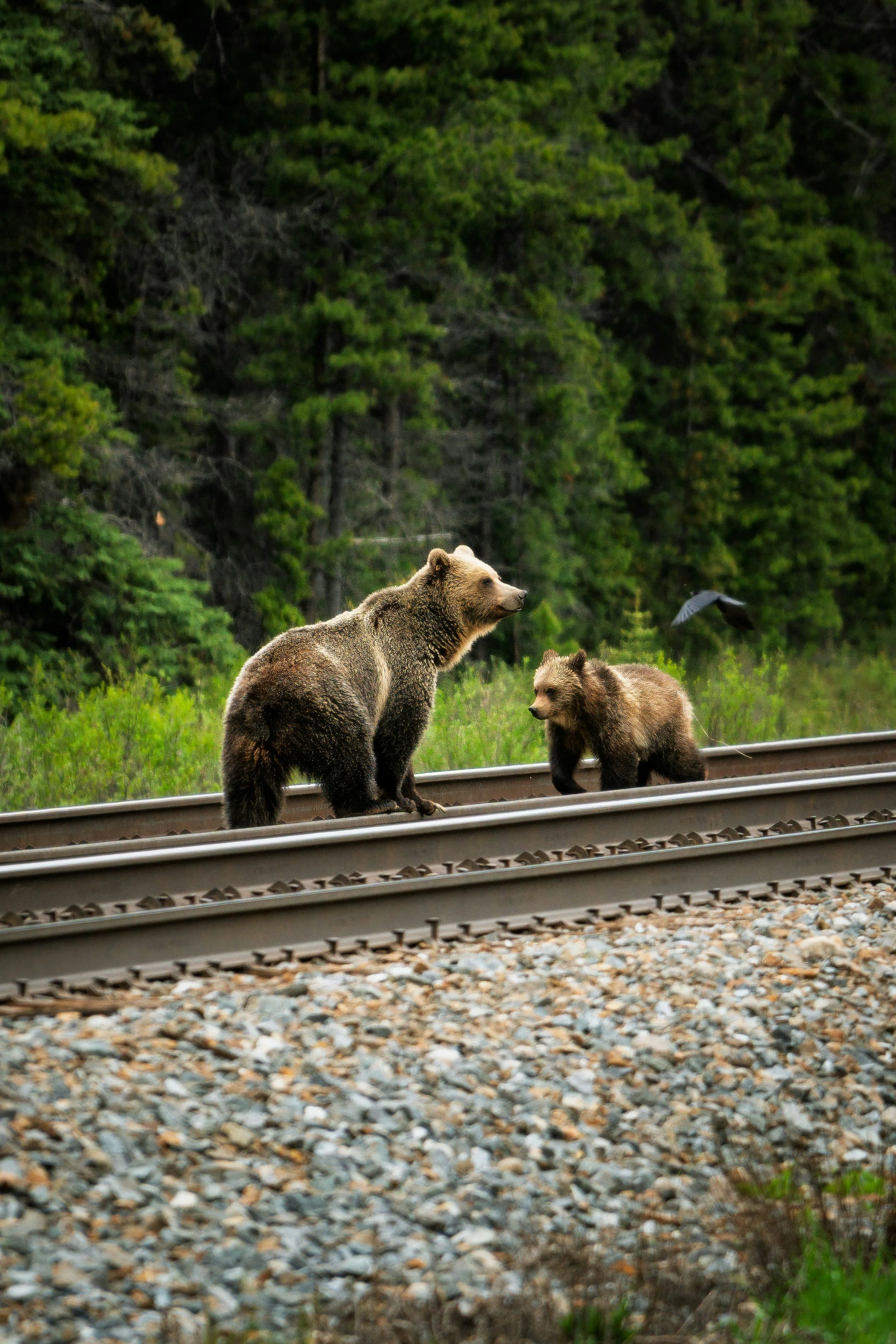
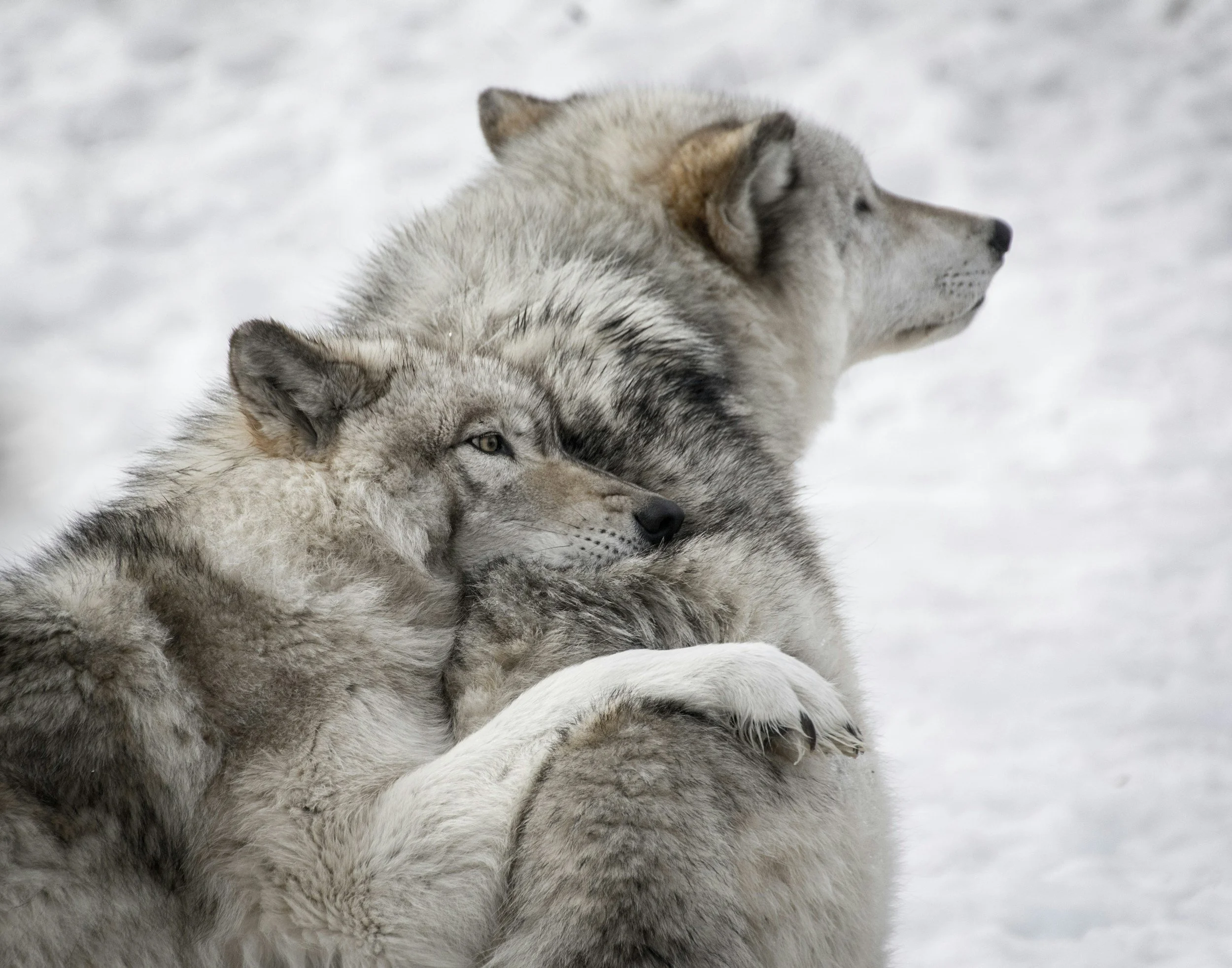
![Wolves]()
Wolves
-
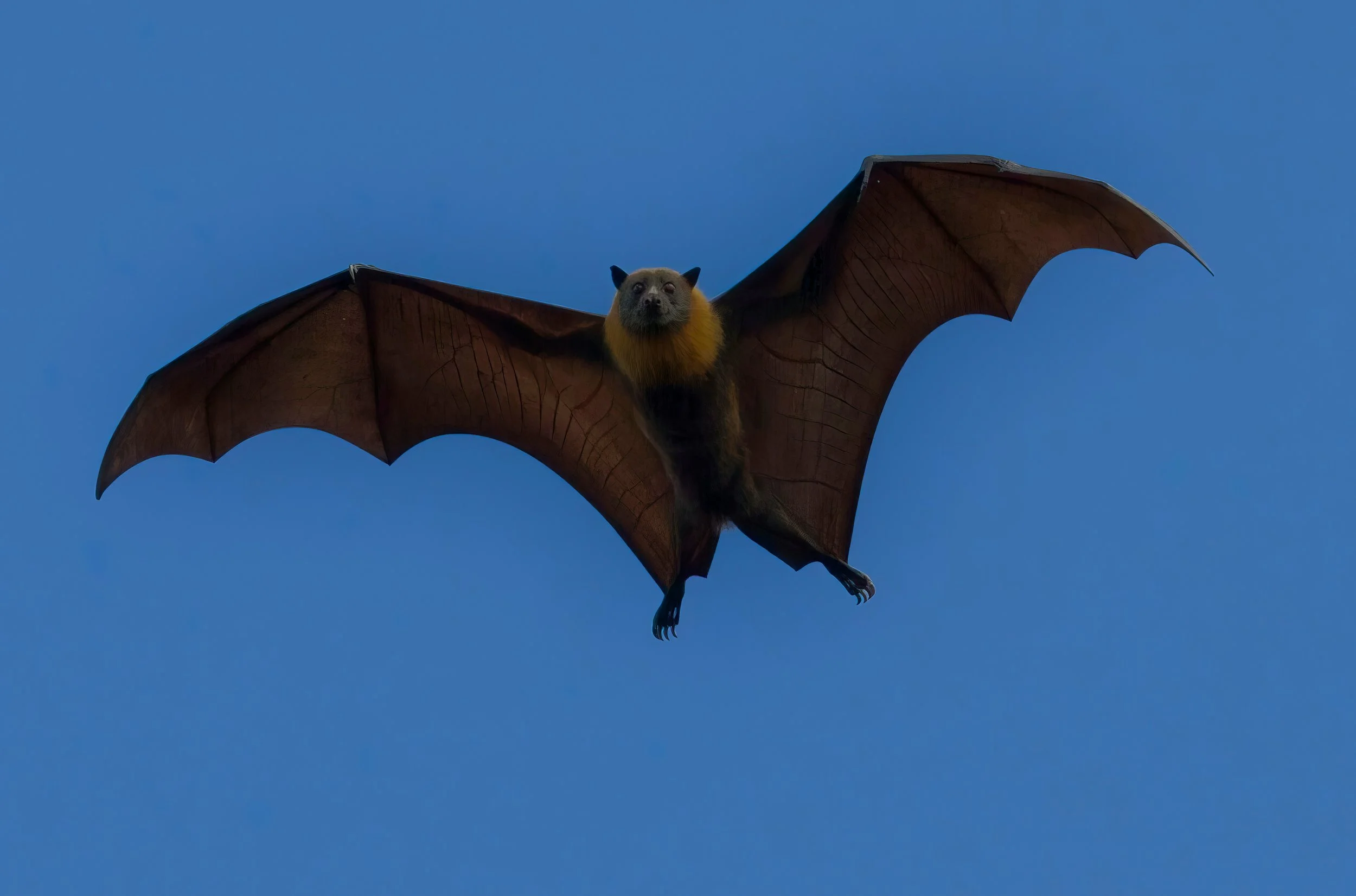
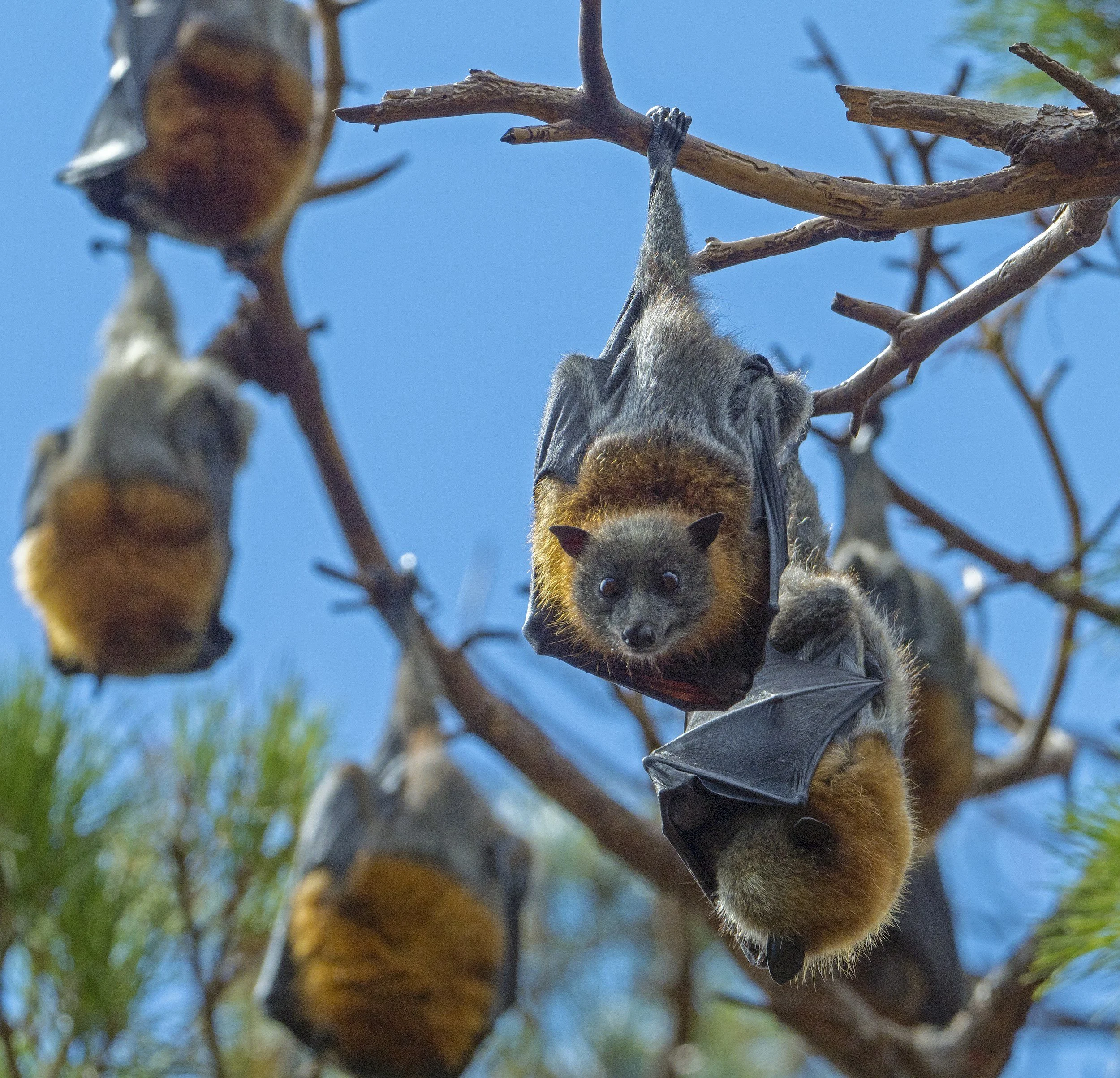
![Bats]()
Bats
-
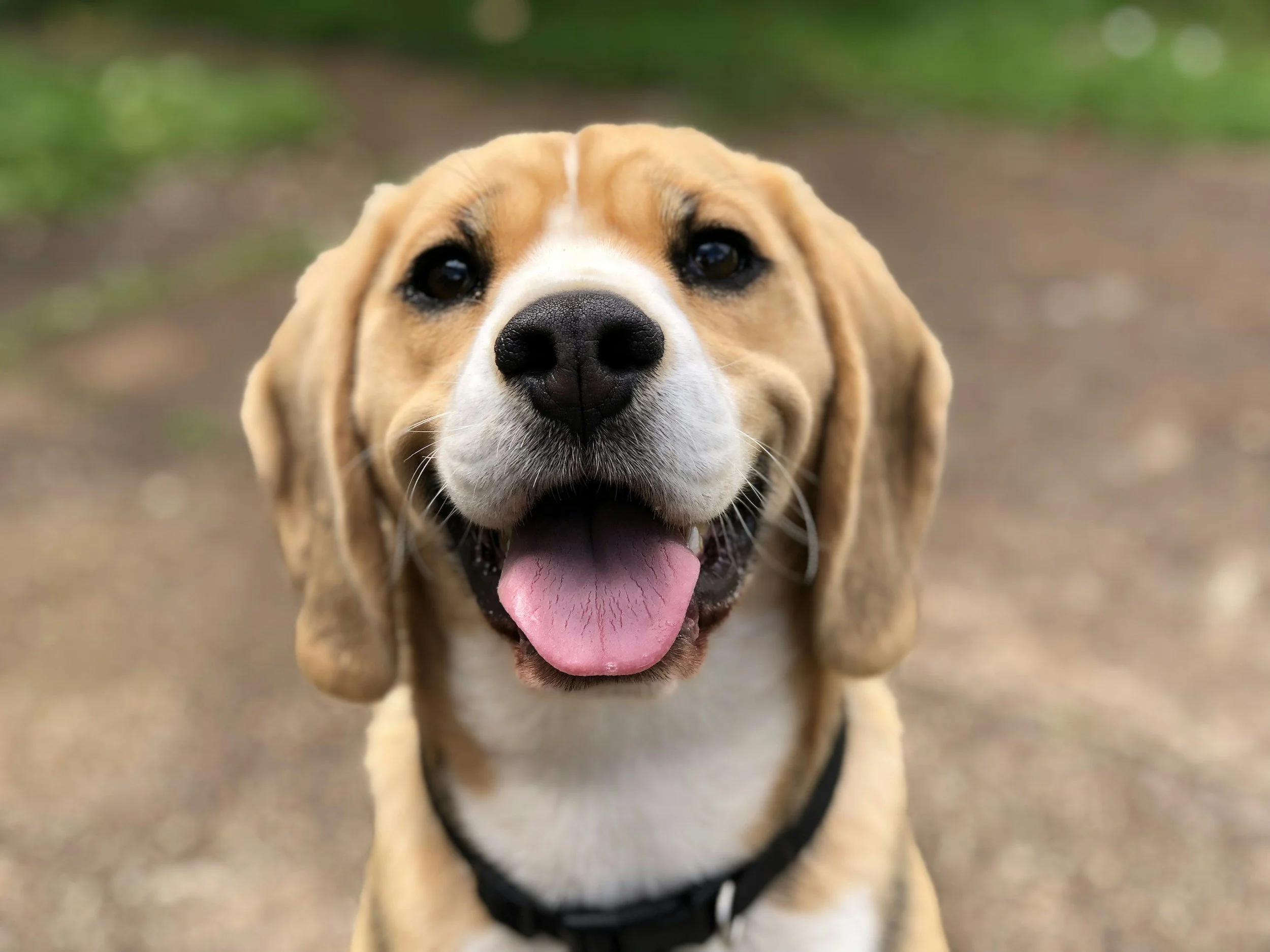
![Dogs]()
Dogs
-
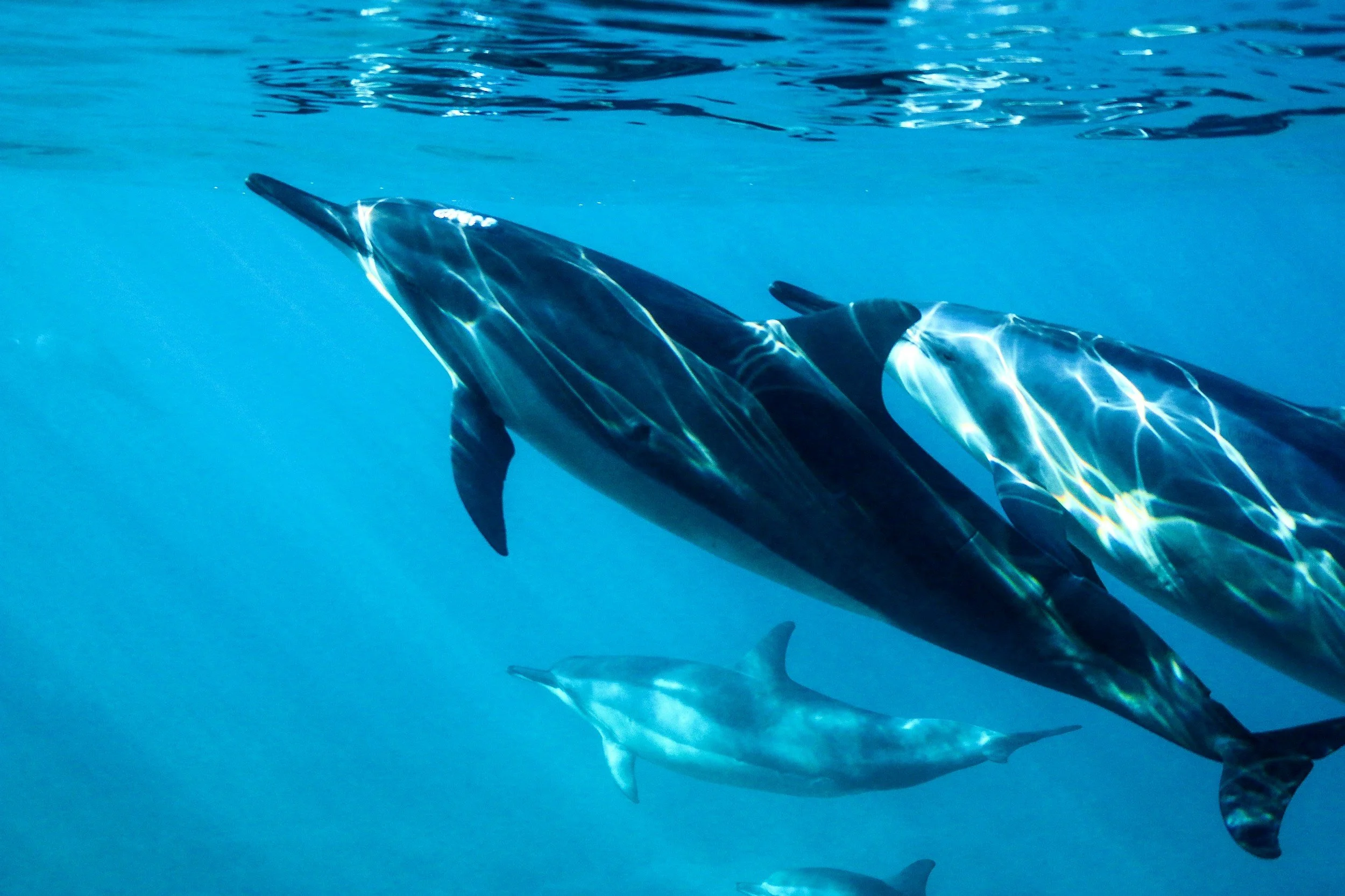
![Dolphin]()
Dolphins
The Ethics of Listening
Animal Agency & ChoiceHow do we ensure animals choose to participate and be communicated with? What if they don't want to talk to us?
Conservation vs. ExploitationHow do we prevent communication technologies from being used to track, hunt, or manipulate animals?
Cultural SensitivityHow do we honor Indigenous and traditional knowledge about human-animal relationships while advancing scientific understanding?
Anthropomorphism vs. RecognitionHow do we avoid projecting human concepts onto animal communication while still recognizing genuine cognitive sophistication?
Data SovereigntyWho owns data about animal communications? Who has the right to interpret and publish it?
The Question of TranslationCan we ever truly “translate" across species? Or do we risk fundamentally misunderstanding what animals are expressing?

Imagining the Interspecies Internet
What could become possible when humans can engage in 2-way communication with other species?
-
Asking animals directly what they need to survive and thrive
-
Building relationships based on genuine communication rather than projection
-
Working with other species to address shared challenges like climate change
-
Accessing radically different ways of perceiving and understanding the world
-
Transforming how humanity sees its place in the web of life